
Wedding Dresses for Women: Find Your Perfect Style
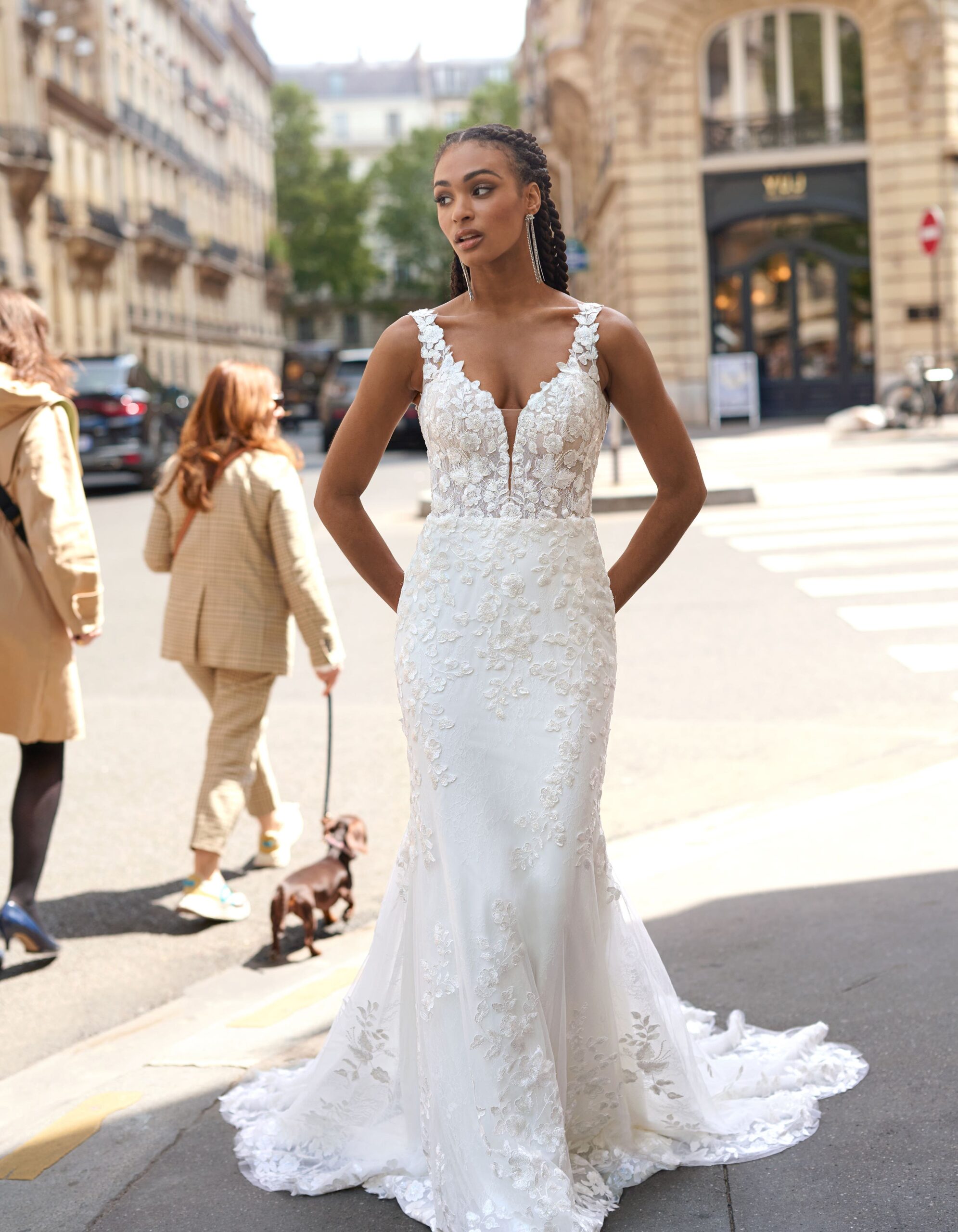
Wedding Dresses for Women: Finding a Dress to Love
Choosing a wedding dress is a special part of planning a wedding. With so many silhouettes, fabrics and details to consider, it can also feel a little overwhelming. The best dress is one that suits the occasion and makes you feel comfortable, confident and completely yourself.
Explore Different Wedding Dress Styles
Wedding dresses come in a wide range of shapes. Trying on a few different styles can help you discover what you enjoy wearing, even if you already have a particular look in mind.
- A-line: Fitted through the bodice, with a skirt that gently flares out. This versatile shape works well for many settings.
- Ballgown: A fitted bodice paired with a full skirt, creating a traditional, dramatic look.
- Fit and flare: Fitted through the body before flaring at or below the hips, offering a defined silhouette with plenty of movement.
- Sheath: A streamlined shape that follows the body and often feels well suited to a modern or informal celebration.
- Empire waist: The waistline sits just below the bust, with the skirt falling freely. This can create a soft, flowing effect.
Choose a Dress for Your Venue and Season
Think about where and when you are getting married. A lightweight dress may be comfortable for a summer ceremony or a warm-weather destination, while heavier fabrics and sleeves may feel more suitable for a winter wedding. For a beach or garden celebration, consider a design that is easy to walk and move in. A formal venue may inspire a more structured gown, although there are no strict rules.
Comfort matters whatever the setting. Consider the length of the ceremony, whether you will be walking on grass or sand, and how easily you can sit, dance and move throughout the day.
Find Fabrics and Details You Love
The fabric can change the look and feel of a dress. Satin often has a smooth, polished finish, while chiffon and tulle can create a lighter, softer effect. Lace adds texture and can range from delicate to bold. Crepe is often chosen for its clean lines and fluid drape.
Details such as sleeves, a high neckline, a low back, buttons or beading can make a dress feel distinctive. It can help to decide which features matter most to you, then keep an open mind when trying on dresses.
Set a Budget Before You Shop
Decide how much you would like to spend before you start looking. Remember to include possible alterations, shoes, underwear, accessories and garment care in your overall budget. If you are shopping online, check the sizing information, delivery times and returns policy carefully, as made-to-order or personalised dresses may have different terms.
Allow Time for Fittings
Wedding dresses often need alterations to achieve the right fit. Start shopping early enough to allow for ordering, delivery and at least one fitting. Wear suitable underwear and shoes to appointments, or bring options with you. Take a trusted friend or family member if you would like a second opinion, but try to make the final choice based on how you feel in the dress.
Make the Dress Your Own
Accessories can complete your wedding look without competing with the dress. A veil, jewellery, hair accessory, belt or bouquet can add a personal touch. If your dress has intricate detailing, simpler accessories may let it take centre stage. With a minimalist design, a statement accessory can bring added character.
Consider Pre-loved and Lower-impact Options
A pre-loved wedding dress can be a more affordable choice and gives a beautiful gown another outing. You could also look at sample dresses, rental services or designs that can be worn again after the wedding. Check the condition, fit and alteration options before committing, and make sure any cleaning or repair costs fit your budget.
Choose What Feels Right for You
Wedding traditions and trends can offer inspiration, but they do not need to dictate your decision. Whether you choose a classic gown, a simple dress, a colourful design or something entirely unexpected, the right wedding dress is the one that feels like you and lets you enjoy your day.
Exploring the Benefits of Wedding Dresses: Style, Budget, and Personalisation
- A wide choice of styles and silhouettes
- Options to suit different budgets
- Fabrics for every season and setting
- Personal details make each look unique
- Alterations can create a better fit
- Pre-loved dresses offer a lower-cost option
The Hidden Drawbacks of Wedding Dresses: Cost, Comfort, and Care
- Can be expensive.
- May require costly alterations.
- Often worn only once.
- Can be uncomfortable for long days.
- Delicate fabrics need careful handling.
- Finding the right fit can take time.
A wide choice of styles and silhouettes
One of the best things about choosing a wedding dress is the wide choice of styles and silhouettes available. From flowing A-line gowns and dramatic ballgowns to sleek sheath dresses and figure-hugging fit-and-flare designs, there’s something to suit every taste, venue and vision for the day. With so many necklines, sleeve lengths, fabrics and details to explore, you can find a dress that reflects your personal style and helps you feel comfortable and confident.
Options to suit different budgets
Wedding dresses are available at a wide range of price points, making it easier to find an option that suits your budget. From high-street styles and pre-loved gowns to made-to-measure designs, there are choices to suit different preferences and spending limits. Remember to factor in alterations and accessories when planning your overall budget.
Fabrics for every season and setting
Wedding dresses come in fabrics to suit every season and setting. Light, breathable materials such as chiffon work beautifully for summer celebrations and outdoor ceremonies, while satin, mikado and heavier lace can bring warmth and structure to cooler-weather weddings. From a relaxed beach gathering to a formal ballroom reception, choosing a fabric that complements the venue and weather helps you feel comfortable and look perfectly dressed for the occasion.
Personal details make each look unique
Personal details can make a wedding dress feel truly one of a kind. From delicate embroidery, meaningful initials or a special date sewn into the lining to a colourful sash, heirloom jewellery or a veil chosen for its significance, thoughtful touches add character and tell a story. These details let each bride express her own style and create a look that feels personal, memorable and unmistakably hers.
Alterations can create a better fit
One of the advantages of choosing a wedding dress is that alterations can help create a fit that feels just right. A skilled seamstress can adjust the hem, take in or let out seams, and refine details such as sleeves or straps to suit your shape and preferences. The result is a dress that feels more comfortable, sits beautifully and allows you to move with confidence throughout your wedding day.
Pre-loved dresses offer a lower-cost option
Pre-loved wedding dresses can be a lovely way to find a beautiful gown for less. Many have only been worn once and may still be in excellent condition, so you can explore a wide range of styles while keeping more of your budget for other wedding costs. Remember to check the dress carefully, allow for any alterations and confirm the seller’s return policy before buying.
Can be expensive.
Wedding dresses can be expensive, particularly when they include intricate details, premium fabrics or designer labels. Alterations, accessories and cleaning can add to the overall cost, too. Setting a budget early and exploring sample, pre-loved or more affordable options can help you find a dress you love without spending more than you planned.
May require costly alterations.
Wedding dresses may require costly alterations to achieve the right fit, particularly if the design is intricate or needs significant adjustments. These extra costs can add up, so it’s worth checking what alterations are included and allowing room for them in your budget before choosing a dress.
Often worn only once.
One drawback of a wedding dress is that it is often worn only once, despite the time and money spent choosing it. After the big day, it may be stored away and rarely seen again, which can feel wasteful. To give it a second life, consider selling or donating it, having it altered into a different outfit, or choosing a pre-loved dress that can be enjoyed again.
Can be uncomfortable for long days.
Wedding dresses can be uncomfortable to wear for long days, particularly if they are heavy, tightly fitted or made from fabrics that feel warm or restrictive. Layers, boning, long trains and detailed embellishments may also make it harder to move, sit or dance comfortably. When choosing a dress, consider how it feels as well as how it looks, and ask about alterations that could improve the fit.
Delicate fabrics need careful handling.
Wedding dresses made from delicate fabrics such as lace, tulle, chiffon or silk can need extra care. They may snag, stain or crease more easily than sturdier materials, so putting the dress on, moving around and storing it safely can require a little more attention. You may also need professional cleaning and careful alterations, which can add to the overall cost.
Finding the right fit can take time.
Finding the right fit can take time, as wedding dresses often need several fittings and alterations to feel just right. Different styles and designers may also fit differently, so it can take a few appointments to find a dress that feels comfortable and suits your shape. Starting the search early gives you more time to explore your options without feeling rushed.
Related Post
Stylish and Affordable Clothes for Women: Elevate Your Wardrobe Today!
Clothes for Women The Ultimate Guide to Women’s Clothing Women’s fashion is a vast and [...]

Elegance Redefined: Embracing Formal Suits for Women
The Timeless Elegance of Formal Suits for Women In the world of fashion, formal suits [...]