
Elegance Personified: The Allure of Formal Gowns
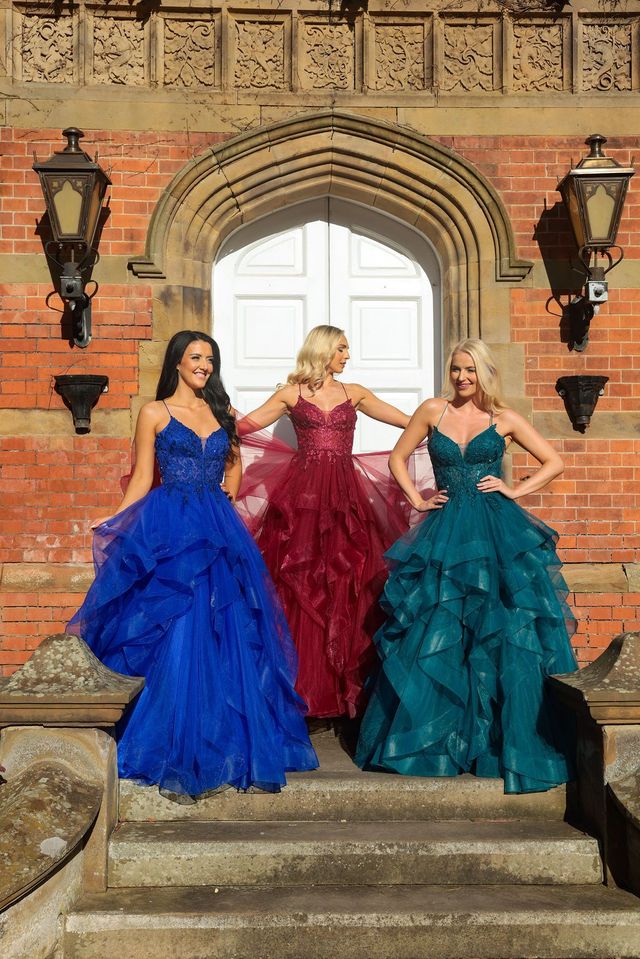
The Elegance of Formal Gowns
Formal gowns are the epitome of elegance and sophistication. Whether it’s a black-tie event, a gala dinner, or a special occasion like a wedding, formal gowns have the power to make you feel like royalty.
One of the key features of formal gowns is their exquisite design. From flowing ball gowns to sleek mermaid silhouettes, these dresses are crafted with meticulous attention to detail. Intricate beading, delicate lace, and luxurious fabrics elevate the beauty of formal gowns, making them stand out in a crowd.
When it comes to colour choices, formal gowns offer a wide range of options. While classic black never goes out of style for formal events, jewel tones like emerald green, sapphire blue, and ruby red add a touch of glamour and sophistication. Soft pastel shades are perfect for spring and summer occasions, exuding femininity and grace.
Accessorising formal gowns is an art in itself. Statement jewellery, elegant heels, and a chic clutch can elevate your look to new heights. A simple updo or cascading curls complement the neckline and silhouette of the gown, adding to the overall allure.
Whether you prefer timeless classics or modern trends, there is a formal gown out there to suit every style and body type. So next time you have a special event on the horizon, consider slipping into a stunning formal gown and prepare to turn heads wherever you go.
Your Guide to Formal Gowns: Answering 7 Common Questions
- 1. What is the difference between a formal gown and an evening gown?
- 2. How do I choose the right formal gown for my body type?
- 3. Are alterations common for formal gowns?
- 4. Can I wear a cocktail dress instead of a formal gown to a black-tie event?
- 5. What are some popular styles of formal gowns for weddings?
- 6. How should I accessorise a formal gown?
- 7. What is the proper etiquette for wearing a formal gown?
1. What is the difference between a formal gown and an evening gown?
When it comes to distinguishing between a formal gown and an evening gown, the key lies in the level of formality. While both types of dresses are elegant and sophisticated, formal gowns are typically reserved for the most prestigious events, such as white tie affairs or royal galas. These gowns often feature intricate detailing, luxurious fabrics, and elaborate designs that exude opulence. On the other hand, evening gowns are slightly less formal and can be worn to a wider range of events, including cocktail parties, weddings, and red carpet events. They may still be embellished and stylish but tend to be more versatile in terms of dress codes. Ultimately, the distinction between a formal gown and an evening gown lies in the occasion they are intended for and the level of glamour they embody.
2. How do I choose the right formal gown for my body type?
When selecting the perfect formal gown for your body type, it’s essential to focus on highlighting your best features and ensuring a flattering fit. For an hourglass figure, opt for styles that cinch at the waist to accentuate your curves. A-line gowns are ideal for pear-shaped bodies as they balance proportions and create a slimming effect. If you have a straight or athletic build, consider dresses with ruching or draping to add volume and create the illusion of curves. For those with a fuller figure, empire waistlines and flowing fabrics can provide both comfort and elegance. Ultimately, choosing a formal gown that complements your body type will not only enhance your confidence but also ensure you look and feel your best at any special occasion.
3. Are alterations common for formal gowns?
Altering formal gowns is a common practice to ensure a perfect fit and enhance the overall look. Many individuals opt for alterations to tailor the gown to their specific measurements, as off-the-rack sizes may not always provide an exact fit. Common alterations include adjusting the hem length, taking in or letting out the waist or bust, and altering the straps or sleeves. Professional seamstresses or tailors can work wonders in transforming a standard gown into a customised masterpiece that flatters your figure and enhances your confidence on any special occasion.
4. Can I wear a cocktail dress instead of a formal gown to a black-tie event?
When it comes to black-tie events, the dress code typically calls for formal gowns for women. While cocktail dresses are elegant and suitable for semi-formal occasions, they may not always be considered appropriate for a black-tie event. Formal gowns exude a sense of glamour and sophistication that aligns with the upscale nature of such occasions. Opting for a formal gown ensures you adhere to the expected level of formality and elegance, allowing you to make a statement and feel confident in your attire choice.
5. What are some popular styles of formal gowns for weddings?
When it comes to weddings, popular styles of formal gowns include romantic A-line dresses, elegant mermaid gowns, and classic ball gowns. A-line dresses are versatile and flattering on most body types, with their fitted bodice and flowing skirt creating a timeless silhouette. Mermaid gowns hug the curves and flare out at the bottom, exuding sophistication and glamour. For a fairytale princess look, ball gowns with voluminous skirts and intricate detailing are a popular choice among brides looking to make a grand entrance on their special day.
6. How should I accessorise a formal gown?
When it comes to accessorising a formal gown, the key is to strike the perfect balance between elegance and simplicity. Opt for statement jewellery that complements the neckline of your gown without overpowering it. A pair of sparkling earrings or a delicate necklace can add a touch of glamour to your look. Choose shoes that are both stylish and comfortable, as you’ll likely be on your feet for an extended period. A chic clutch or evening bag is essential for carrying your essentials while adding a finishing touch to your ensemble. Remember, less is often more when it comes to accessories, so choose wisely to enhance the beauty of your formal gown without overwhelming it.
7. What is the proper etiquette for wearing a formal gown?
When it comes to wearing a formal gown, proper etiquette plays a crucial role in ensuring you look and feel your best at any special event. Firstly, it’s essential to dress according to the dress code specified for the occasion. Always opt for a gown that is appropriate for the event’s formality level, whether it’s a black-tie affair or a white-tie event. Additionally, consider the fit and length of the gown to ensure comfort and elegance. It’s also important to accessorise thoughtfully, choosing jewellery and shoes that complement the gown without overpowering it. Lastly, carrying yourself with confidence and grace is key to pulling off a formal gown with style and sophistication.
Related Post

Elegant Plus Size Formal Outfits for Every Occasion
Plus Size Formal Outfits The Perfect Plus Size Formal Outfits for Every Occasion When it [...]
Elegance for Every Curve: Plus Size Occasion Dresses That Wow
The Perfect Fit: Plus Size Occasion Dresses When it comes to dressing for special occasions, [...]