
Vintage Wedding Dresses: Timeless Styles and Tips for Finding Your Perfect Gown
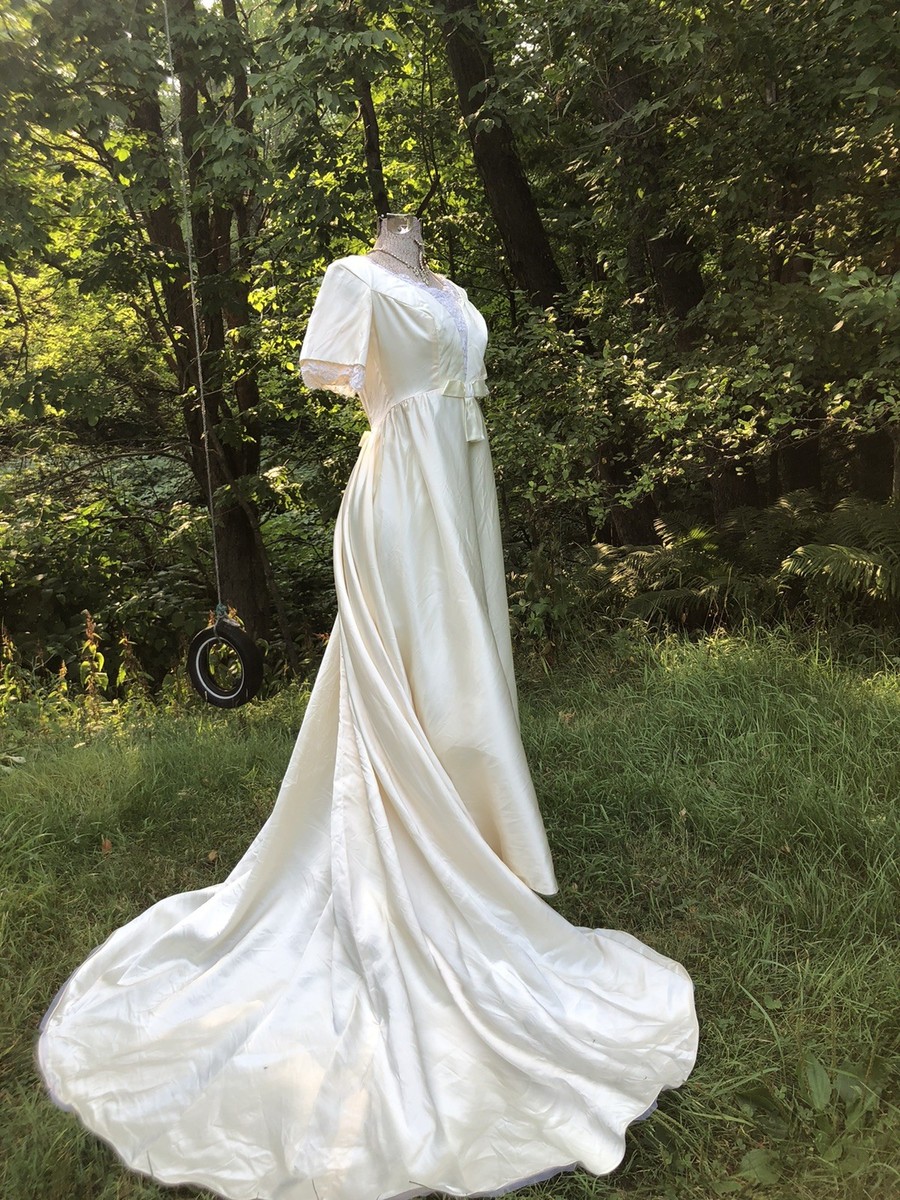
Vintage Wedding Dresses: Timeless Style for Your Special Day
A vintage wedding dress brings a sense of history, individuality and romance to a wedding day. Whether you love the elegance of the 1930s, the full skirts of the 1950s or the relaxed feel of the 1970s, choosing a vintage gown is a lovely way to make your bridal look your own.
What counts as a vintage wedding dress?
The word “vintage” is often used for clothing from an earlier era, while “vintage-inspired” describes a new dress that takes its cues from historic styles. Genuine vintage gowns may have been worn before, or could be unworn garments that have been carefully stored. Their age, condition and construction can vary, so it is worth asking sellers for as much detail as possible.
Popular vintage bridal styles
- 1920s: Think dropped waists, delicate beading, lace and softly flowing silhouettes.
- 1930s: Bias-cut gowns create a graceful, close-fitting shape, often with elegant draping and simple lines.
- 1940s: A more understated look, with defined waists, modest necklines and practical, tailored details.
- 1950s: Fitted bodices and voluminous skirts bring classic fairytale appeal. Petticoats can add extra fullness.
- 1960s: Clean shapes, shorter hemlines and high necklines offer a polished, playful alternative to a traditional gown.
- 1970s: Crochet, flowing sleeves, soft lace and relaxed silhouettes suit bohemian or outdoor celebrations.
How to find the right dress
Start by deciding which details appeal to you: perhaps a lace collar, a satin train, delicate buttons or a particular silhouette. You do not need to choose a specific decade straight away. Trying on different shapes can help you discover what feels comfortable and suits your wedding setting.
Vintage dresses are often available through specialist boutiques, online shops, charity shops, auctions and family collections. Ask about the gown’s age, measurements, alterations and condition. Request clear photographs of the front, back, seams and any areas of wear, and check the seller’s returns policy before buying online.
Fit, alterations and condition
Older sizing can differ considerably from modern sizing, so compare your measurements with the dress itself rather than relying on the label. Pay particular attention to the bust, waist, hips and length. A dress with a slightly larger fit may be easier to alter than one that is too small, although this depends on its construction and fabric.
Before making changes, take the gown to a specialist who has experience working with vintage garments. Delicate lace, fragile seams and older fabrics may need a gentler approach than modern materials. Ask for an assessment before committing to substantial alterations, and allow plenty of time for fittings.
Check carefully for marks, loose beading, discolouration, missing fastenings and brittle fabric. Some signs of age may be part of a gown’s charm, while others may require professional restoration. A specialist cleaner can advise whether cleaning is suitable, as some fabrics and trims may not withstand standard methods.
Styling a vintage wedding dress
Accessories can complement the era of your dress or give it a more contemporary feel. Consider a veil, hair comb, pearls, gloves or understated shoes. If the gown has intricate detail, keep other accessories simple so the dress remains the focus. For a more modern contrast, pair a classic silhouette with a clean-lined jacket or contemporary jewellery.
Think about comfort as well as appearance. Try walking, sitting and moving your arms in the dress, especially if it has a fitted bodice, long sleeves or a train. The right undergarments and shoes can make a real difference to how the gown feels throughout the day.
Caring for your gown
Store the dress in a cool, dry place away from direct sunlight. Use a breathable garment bag rather than a plastic cover, and avoid hanging a particularly heavy or fragile gown for long periods, as its weight may strain the shoulders. After the wedding, seek professional advice on cleaning and preservation if you would like to keep the dress in good condition.
A dress with a story
Choosing a vintage wedding dress is about more than finding a beautiful outfit. It can be a way to express your personal style, give a pre-loved garment another special occasion and wear something with a history of its own. With thoughtful searching, careful fitting and the right preparation, a vintage gown can feel completely at home on your wedding day.
Essential Tips for Choosing and Caring for Vintage Wedding Dresses
- Check the fabric for stains, tears and sun damage.
- Try the dress on before committing to alterations.
- Choose a specialist in vintage fabrics for repairs.
- Use gentle, professional cleaning suited to the material.
- Allow extra time for fitting and restoration.
- Store it in a breathable, acid-free garment bag.
Check the fabric for stains, tears and sun damage.
Before choosing a vintage wedding dress, carefully check the fabric for stains, tears and sun damage, which may appear as faded or yellowed patches. Look closely at seams, underarms, hems and areas that may have been exposed to light during storage. Ask the seller about any marks or repairs, and seek advice from a specialist cleaner or alterations expert if you are unsure whether the fabric can be restored.
Try the dress on before committing to alterations.
Always try on a vintage wedding dress before committing to alterations. Seeing how it fits and feels on your body can help you decide whether it needs adjusting, and which changes are truly necessary. This is especially important with older garments, as delicate fabrics and original details may be difficult to alter without affecting the dress’s character.
Choose a specialist in vintage fabrics for repairs.
When repairing a vintage wedding dress, choose a specialist who has experience with delicate, historic fabrics. Older lace, silk and beading can be fragile, and modern repair methods may cause damage. A vintage clothing conservator or experienced bridal seamstress can assess the gown and recommend suitable repairs to help preserve its character and condition.
Use gentle, professional cleaning suited to the material.
Vintage wedding dresses can be made from delicate fabrics and trims that may be damaged by ordinary washing or harsh cleaning products. Before cleaning, ask a specialist who has experience with vintage garments to assess the material, seams and embellishments, then choose a gentle professional method suited to the dress. This helps protect its shape and details while lifting dirt and marks safely.
Allow extra time for fitting and restoration.
Allow extra time for fitting and restoration when choosing a vintage wedding dress. Older gowns may need specialist cleaning, repairs or alterations, and delicate fabrics can take longer to work with than modern materials. Start looking early, arrange an assessment with an experienced seamstress, and leave room for several fittings so the dress is comfortable and ready well before your wedding day.
Store it in a breathable, acid-free garment bag.
Store your vintage wedding dress in a breathable, acid-free garment bag to help protect it from dust, light and discolouration while allowing air to circulate. Avoid plastic covers, which can trap moisture and may damage delicate fabrics over time. For a particularly heavy or fragile gown, lay it flat in an acid-free storage box to reduce strain on the seams and shoulders.
Related Post

Unusual Mother of the Bride Dresses: Making a Statement on Your Daughter’s Big Day
Unusual Mother of the Bride Dresses: Making a Statement on the Big Day When it [...]

Rockabilly Dresses: Embracing Vintage Glamour with Modern Flair
The Timeless Appeal of Rockabilly Dresses Rockabilly fashion has stood the test of time, with [...]
Elegant Mother of the Bride Outfits: Embracing 2019 Trends
Article: Mother of the Bride Outfits 2019 The Ultimate Guide to Mother of the Bride [...]