
Men’s Activewear: Comfort and Style for Every Workout
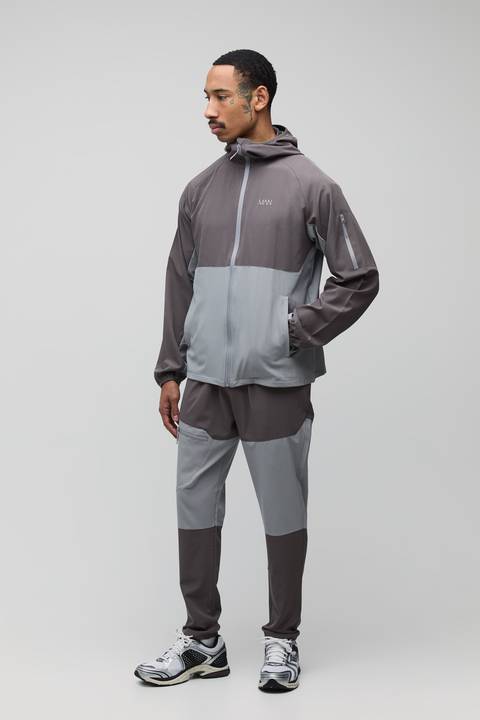
Men’s Activewear: Comfort and Style for Every Workout
Good activewear should help you feel comfortable and confident, whether you’re heading to the gym, going for a run or fitting a workout into a busy day. The right kit can make it easier to move freely, manage sweat and stay comfortable as your activity changes. With so many options available, choosing men’s activewear comes down to finding practical pieces that suit your routine and personal style.
Choose clothes for the activity
Different workouts place different demands on your clothing. Lightweight running tops and shorts are designed to allow airflow and unrestricted movement, while gym wear often needs to cope with a range of exercises, from lifting weights to stretching. For outdoor training, consider garments that offer a little more coverage and can be layered as the weather changes.
If you take part in more than one type of exercise, versatile basics are a useful place to start. A comfortable T-shirt, supportive shorts and a lightweight jacket can work across a variety of activities.
Look for breathable, quick-drying fabrics
Activewear fabrics can affect how comfortable you feel during exercise. Materials designed to wick moisture away from the skin can help you stay drier during a demanding session. Lightweight, breathable fabrics are often a good choice for warmer conditions, while soft stretch materials can make it easier to move.
Cotton can feel comfortable for everyday wear, but it may hold on to moisture during intense workouts. For exercise, many people prefer technical fabrics that dry more quickly. Check the garment label for fabric details and care instructions before buying.
Get the fit right
Activewear should feel secure without restricting movement. Tops that are too tight may feel uncomfortable, while overly loose clothing can get in the way during certain activities. For bottoms, look for a comfortable waistband and a length that suits your workout. Stretch panels or elastane blends can provide extra flexibility for squats, lunges and other dynamic movements.
Fit is also a matter of preference. Some people prefer a close-fitting base layer, while others feel more comfortable in a relaxed T-shirt or shorts. If you’re shopping online, check the size guide and compare it with clothes you already own.
Build a practical activewear wardrobe
You don’t need a large collection to get started. A few well-chosen pieces can cover most training needs:
- Training T-shirts: Choose breathable tops that are comfortable against the skin.
- Shorts or leggings: Pick a fit and length that allow you to move freely.
- Supportive underwear: Comfortable, well-fitting underwear can make a noticeable difference during exercise.
- A lightweight layer: A zip-up top or jacket is useful for warming up, cooling down and outdoor sessions.
- Suitable footwear: Choose shoes designed for your activity, as running shoes and gym trainers are made for different kinds of movement.
Dress for the weather
For outdoor exercise, layers can help you adapt to changing conditions. A breathable base layer can sit beneath a light mid-layer, with a weather-resistant jacket on top when needed. In warmer weather, look for lightweight fabrics and consider a cap for protection from the sun. In colder conditions, gloves and a close-fitting base layer can help you stay comfortable.
Whatever the season, avoid wearing so many layers that you overheat once your workout gets going. You may feel cool at the start, but your body will warm up as you move.
Care for your activewear
Following the care label can help your clothes last longer. Wash activewear after use, avoid using more detergent than recommended and let garments dry fully before storing them. Fabric conditioner can affect the performance of some technical materials, so check the garment’s washing instructions first.
Find activewear that works for you
The best men’s activewear is clothing that fits well, feels comfortable and suits the way you exercise. Start with a few versatile essentials, pay attention to fabric and fit, and choose footwear and layers for your activities. When your kit works for you, it’s easier to focus on enjoying the workout.
Men’s Activewear: 7 Frequently Asked Questions
- What should men wear for a workout?
- How should men’s activewear fit?
- Which fabrics are best for men’s activewear?
- What is the difference between gym wear and running wear?
- How often should men wash their activewear?
- Can men wear activewear casually?
- How should men choose activewear for different weather conditions?
What should men wear for a workout?
For a workout, men should wear comfortable, breathable clothing that allows them to move freely. A moisture-wicking T-shirt or training top, well-fitting shorts or leggings, supportive underwear and trainers suited to the activity make a practical starting point. Choose lightweight layers for outdoor exercise and adjust your kit to the weather and the intensity of your workout.
How should men’s activewear fit?
Men’s activewear should fit comfortably and allow you to move freely without feeling restrictive or getting in the way. Tops should sit neatly on the shoulders and body, while shorts or leggings should stay in place during exercise without digging in. Choose a closer fit for activities where loose fabric could distract you, or a relaxed fit if that feels more comfortable. The best fit depends on your workout and personal preference, so check the size guide and try a few styles if you can.
Which fabrics are best for men’s activewear?
The best fabrics for men’s activewear are breathable, lightweight and quick-drying, helping to keep you comfortable as you exercise. Polyester and nylon are popular choices because they wick moisture away from the skin and dry quickly, while elastane adds stretch for unrestricted movement. Merino wool can be a good option for cooler conditions, as it helps regulate temperature and resist odours. Choose fabrics to suit your activity and check the care label, as some technical materials need special washing instructions.
What is the difference between gym wear and running wear?
Gym wear is designed for a variety of indoor workouts, so it often prioritises flexibility, comfort and support during movements such as lifting, stretching and circuit training. Running wear tends to be lighter and more breathable, with moisture-wicking fabrics to help keep you comfortable over longer distances; running tops and shorts may also include features such as reflective details for visibility outdoors. Some pieces can work for both activities, so choose based on the fit, fabric and features that feel best for your routine.
How often should men wash their activewear?
Men should wash activewear after every workout, especially items worn next to the skin, such as T-shirts, base layers, underwear and socks. Sweat and bacteria can cause unpleasant odours and may irritate the skin if clothes are reworn unwashed. Air garments out if you can’t wash them straight away, and follow the care label to help them last longer.
Can men wear activewear casually?
Yes, men can absolutely wear activewear casually. Comfortable joggers, a plain T-shirt, a sweatshirt or a lightweight jacket can work well for everyday outfits, especially when paired with clean trainers and simple accessories. Choose well-fitting pieces in coordinating colours for a more considered look, and check whether sportswear is suitable for the occasion.
How should men choose activewear for different weather conditions?
Men should choose activewear to suit both the temperature and the type of exercise. In warm weather, opt for lightweight, breathable, quick-drying fabrics to help keep you comfortable, and consider a cap for sun protection. In cold conditions, wear breathable layers that can be added or removed as you warm up, such as a moisture-wicking base layer under a lightweight mid-layer and weather-resistant jacket. For rain or wind, choose an outer layer that offers suitable protection without restricting movement, and look for reflective details if you’ll be exercising in low light.
Related Post

Elevate Your Style with ‘In Wear’ Fashion Essentials
The Beauty of “In Wear” Fashion When it comes to timeless elegance and sophisticated style, [...]

How to Choose the Perfect Masquerade Dress for a Night of Elegance
How to Choose the Perfect Masquerade Dress A masquerade ball is the perfect excuse to [...]
Elegant and Stylish: Embracing Trendy Plus Size Cocktail Dresses
The Latest Trends in Plus Size Cocktail Dresses When it comes to dressing up for [...]