
Elegance Redefined: The Timeless Appeal of Roman Dresses
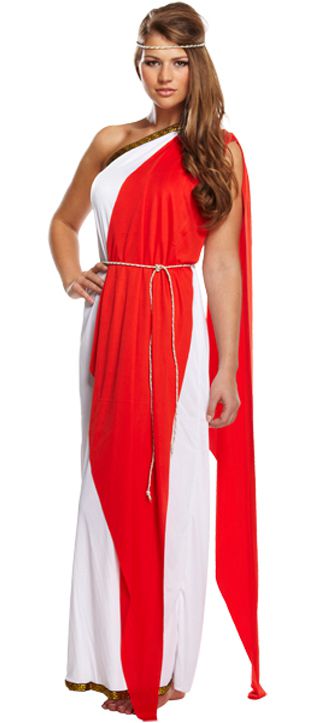
The Elegance of Roman Dresses
When we think of ancient Rome, images of grand architecture, powerful emperors, and intricate togas often come to mind. However, the fashion of ancient Rome was not limited to togas alone. Roman women also wore exquisite dresses that reflected their status, taste, and culture.
Roman dresses were known for their elegance and sophistication. Made from luxurious fabrics such as silk, linen, and wool, these dresses were often adorned with intricate embroidery, embellishments, and colourful dyes. The designs ranged from simple and flowing to more structured and tailored styles.
One iconic style of Roman dress is the stola. The stola was a long tunic-like garment that was worn by married women in ancient Rome. It was typically made from lightweight fabric and draped gracefully over the body. The stola was often cinched at the waist with a decorative belt or sash to create a flattering silhouette.
Another popular style was the palla, a rectangular piece of fabric that Roman women draped over their tunics or dresses as an outer garment. The palla could be worn in various ways to create different looks and provide warmth or protection from the elements.
Accessories also played a significant role in Roman fashion. Women would adorn themselves with jewellery, such as earrings, necklaces, bracelets, and rings made from precious metals and gemstones. Sandals or intricately designed shoes completed the ensemble.
Today, the influence of Roman fashion can still be seen in modern designs. Designers often draw inspiration from ancient Roman clothing silhouettes and details to create contemporary pieces that evoke the timeless elegance of the past.
Whether it’s the draping folds of a stola or the regal presence of a palla, Roman dresses continue to captivate us with their beauty and sophistication centuries after they were first worn in the streets of ancient Rome.
Exploring Roman Fashion: 9 Tips on Ancient Dress Styles and Accessories
- Roman dresses were typically made of lightweight fabrics such as wool or linen.
- Tunics were common garments worn by both men and women in ancient Rome.
- Women often wore a stola over their tunics, which was a long, sleeveless dress.
- Men wore togas for formal occasions, while women wore stolas with pallas draped over them like a shawl.
- Roman clothing was often decorated with intricate patterns and designs, such as geometric shapes or floral motifs.
- Sandals were the most common footwear worn by Romans, made from leather or fabric straps tied around the foot and ankle.
- Jewellery such as brooches, rings, and bracelets were popular accessories worn by both men and women to complement their outfits.
- Hairstyles also played an important role in Roman fashion, with elaborate updos and braids being fashionable among women.
- Clothing colours varied depending on social status; wealthy Romans could afford vibrant colours while poorer individuals wore simpler garments in muted tones.
Roman dresses were typically made of lightweight fabrics such as wool or linen.
Roman dresses were typically crafted from lightweight fabrics like wool or linen. These materials not only offered comfort to the wearer but also allowed for graceful draping and movement. The use of such fabrics in Roman dressmaking reflected the practical yet elegant approach to fashion that defined ancient Roman clothing.
Tunics were common garments worn by both men and women in ancient Rome.
Tunics held a significant place in the wardrobes of both men and women in ancient Rome, serving as common and versatile garments. These simple yet essential pieces were typically made from lightweight fabrics and featured varying lengths and sleeve styles to suit different occasions and social statuses. Tunics provided comfort and ease of movement for daily wear, while also allowing for layering with additional garments for warmth or style. Their enduring popularity and practicality highlight the timeless appeal of Roman fashion aesthetics that continue to influence contemporary clothing designs.
Women often wore a stola over their tunics, which was a long, sleeveless dress.
In ancient Rome, women embraced the timeless elegance of the stola, a sleeveless dress worn over their tunics. The stola, with its graceful draping and flattering silhouette, added a touch of sophistication to their attire. This iconic garment symbolised not just fashion but also the status and grace of Roman women, showcasing a blend of style and cultural significance in their everyday attire.
Men wore togas for formal occasions, while women wore stolas with pallas draped over them like a shawl.
In ancient Rome, dressing appropriately for formal occasions was a symbol of status and respect. Men would don togas, a garment reserved for formal events that signified their importance and authority. On the other hand, women opted for a more intricate ensemble consisting of stolas paired with pallas draped over them like a shawl. This combination not only added an element of elegance to their attire but also showcased their sophistication and grace in social settings. The distinct dress codes for men and women highlighted the cultural norms and fashion traditions of Roman society, reflecting the significance placed on attire in conveying one’s role and standing in the community.
Roman clothing was often decorated with intricate patterns and designs, such as geometric shapes or floral motifs.
Roman clothing was often adorned with intricate patterns and designs, showcasing a rich tapestry of creativity and artistry. From geometric shapes to delicate floral motifs, these embellishments added a touch of elegance and sophistication to Roman dresses. The attention to detail in the decoration of garments reflected the craftsmanship and aesthetic sensibilities of the ancient Romans, making their clothing truly stand out as a work of art.
Sandals were the most common footwear worn by Romans, made from leather or fabric straps tied around the foot and ankle.
Sandals were the predominant choice of footwear among Romans, crafted from leather or fabric straps intricately fastened around the foot and ankle. These sandals not only provided comfort and practicality but also showcased the craftsmanship and attention to detail that characterised Roman fashion. The versatility and durability of these sandals made them a staple in everyday Roman attire, reflecting both the utilitarian needs and the aesthetic sensibilities of ancient Roman society.
Jewellery such as brooches, rings, and bracelets were popular accessories worn by both men and women to complement their outfits.
Jewellery played a significant role in enhancing the attire of both men and women in ancient Rome. Brooches, rings, and bracelets were popular accessories that added a touch of elegance and sophistication to their outfits. These ornate pieces were not only decorative but also symbolised status, wealth, and personal style. Whether it was a finely crafted brooch securing a toga or a gleaming ring adorning a finger, jewellery was an essential element in completing the overall look of Roman attire.
Hairstyles also played an important role in Roman fashion, with elaborate updos and braids being fashionable among women.
Hairstyles were a crucial element in Roman fashion, contributing to the overall elegance of women’s attire. Elaborate updos and intricate braids were highly favoured styles among Roman women, adding a touch of sophistication and glamour to their look. These meticulously crafted hairstyles not only complemented the design of Roman dresses but also showcased the creativity and attention to detail that were valued in ancient Roman society.
Clothing colours varied depending on social status; wealthy Romans could afford vibrant colours while poorer individuals wore simpler garments in muted tones.
In ancient Rome, clothing colours served as a visual indicator of social status. The wealthy elite had the means to afford garments in vibrant and rich hues, showcasing their prosperity and luxury. In contrast, those belonging to lower social classes often wore simpler attire in muted tones, reflecting their more modest means. This stark contrast in colour choices not only distinguished between the affluent and the less privileged but also highlighted the societal hierarchy that prevailed in Roman society.
Related Post

Charm and Style: Embracing Cute Trendy Dresses in Your Wardrobe
Cute Trendy Dresses The Charm of Cute Trendy Dresses When it comes to fashion, cute [...]

Chic Winter Clothes for Women: Stay Stylish and Warm This Season
Winter Clothes for Women The Ultimate Guide to Winter Clothes for Women As the temperature [...]

Stylish and Elegant Wedding Outfits for Mothers: A Guide to Sophisticated Attire
Wedding Outfits for Mothers Wedding Outfits for Mothers: How to Look Stylish and Elegant When [...]