
Eco-Friendly Fashion: Embracing Sustainable Clothing Choices
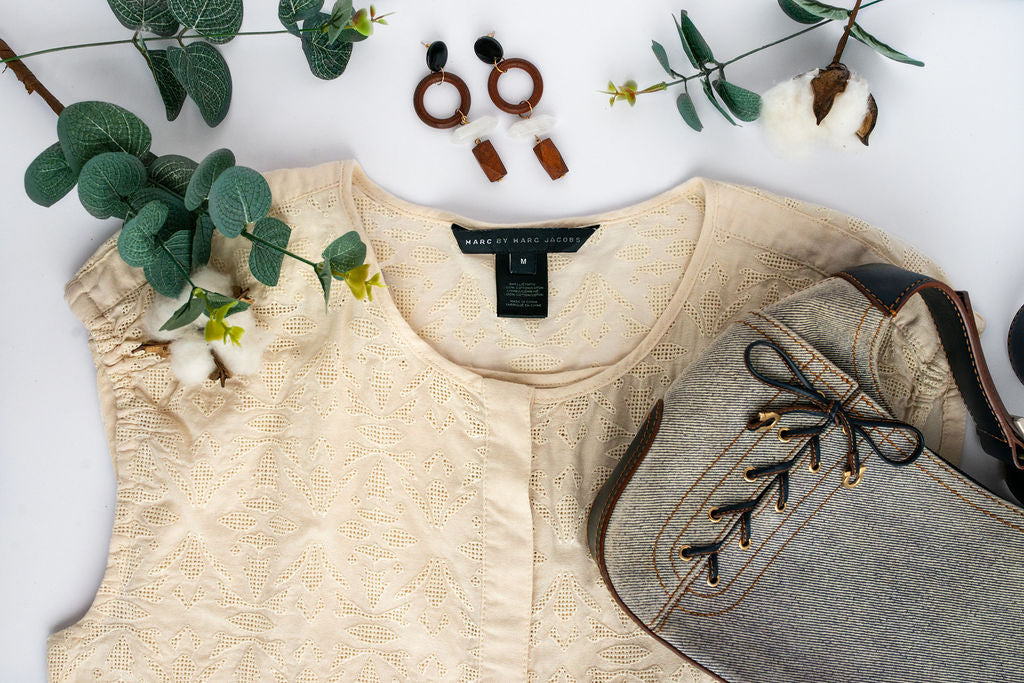
The Rise of Sustainable Clothing: Fashion with a Conscience
In recent years, the fashion industry has seen a significant shift towards sustainability, with more and more brands and consumers embracing the concept of sustainable clothing. This growing trend reflects a collective awareness of the environmental impact of fast fashion and a desire to make more ethical choices when it comes to our wardrobes.
Sustainable clothing encompasses various practices aimed at reducing the negative effects of fashion on the planet. This includes using eco-friendly materials such as organic cotton, hemp, and recycled fabrics, as well as implementing ethical production processes that minimise waste and pollution.
One of the key benefits of sustainable clothing is its positive impact on the environment. By choosing garments made from sustainable materials, consumers can help reduce water consumption, carbon emissions, and chemical pollution associated with traditional textile production methods.
Moreover, sustainable clothing promotes fair labour practices by ensuring that garment workers are paid fairly and work in safe conditions. By supporting brands that prioritise ethics and transparency in their supply chains, consumers can contribute to creating a more equitable fashion industry.
As awareness of environmental issues continues to grow, so does the demand for sustainable clothing. Many fashion labels are now incorporating sustainability into their core values and offering eco-friendly collections that cater to conscious consumers.
In conclusion, sustainable clothing is not just a trend but a necessary step towards a more responsible and ethical fashion industry. By choosing sustainable options, we can reduce our ecological footprint and support positive change in the way clothes are produced and consumed.
8 Tips for Embracing Sustainable Fashion Practices
- Choose clothing made from sustainable materials like organic cotton, hemp, or bamboo.
- Buy second-hand or vintage clothing to reduce waste and support recycling.
- Look for clothing brands that have transparent and ethical supply chains.
- Opt for timeless styles and high-quality pieces that will last longer.
- Wash your clothes in cold water and air dry them to save energy and preserve the fabric.
- Repair or alter your clothes instead of throwing them away at the first sign of damage or wear.
- Donate or recycle old clothes instead of sending them to landfill.
- Educate yourself about sustainable fashion practices and make informed purchasing decisions.
Choose clothing made from sustainable materials like organic cotton, hemp, or bamboo.
When it comes to sustainable clothing, opting for garments made from eco-friendly materials such as organic cotton, hemp, or bamboo can make a significant difference. These natural fabrics require fewer chemicals and water during production, reducing the environmental impact compared to conventional textiles. By choosing clothing made from sustainable materials, you not only support ethical and eco-conscious practices but also enjoy clothing that is comfortable, durable, and kinder to the planet.
Buy second-hand or vintage clothing to reduce waste and support recycling.
By opting to purchase second-hand or vintage clothing, individuals can actively contribute to sustainability efforts within the fashion industry. Not only does buying pre-loved garments help reduce waste by giving items a new lease of life, but it also supports recycling practices. Embracing second-hand fashion promotes a circular economy where resources are reused and extended, ultimately lessening the environmental impact of clothing production. Making the choice to shop for second-hand or vintage pieces is a simple yet impactful way to lessen our carbon footprint and promote a more sustainable approach to fashion consumption.
Look for clothing brands that have transparent and ethical supply chains.
When shopping for sustainable clothing, it is essential to look for brands that have transparent and ethical supply chains. By choosing to support these brands, you can ensure that the garments you purchase are produced under fair labour conditions and with minimal environmental impact. Transparent supply chains allow consumers to trace the journey of their clothing from production to sale, promoting accountability and trust in the fashion industry. Opting for brands with ethical practices not only benefits the workers involved in the manufacturing process but also contributes to a more sustainable and responsible fashion ecosystem.
Opt for timeless styles and high-quality pieces that will last longer.
When it comes to sustainable clothing, opting for timeless styles and high-quality pieces that will last longer is a smart choice. By investing in well-made garments that stand the test of time, you not only reduce the need for frequent replacements but also contribute to minimising waste in the fashion industry. Choosing classic designs over fast-fashion trends ensures that your wardrobe remains relevant season after season, promoting a more sustainable approach to personal style.
Wash your clothes in cold water and air dry them to save energy and preserve the fabric.
Washing your clothes in cold water and air drying them are simple yet effective ways to practice sustainability in your clothing care routine. By using cold water instead of hot water, you can save energy and reduce your carbon footprint. Additionally, air drying your clothes helps preserve the fabric and extends the lifespan of your garments, ultimately reducing the need for frequent replacements. Making these small changes in how you wash and dry your clothes can have a significant positive impact on both the environment and the longevity of your wardrobe.
Repair or alter your clothes instead of throwing them away at the first sign of damage or wear.
To promote sustainability in your wardrobe, consider repairing or altering your clothes instead of discarding them at the first sight of damage or wear. By investing in simple repairs or alterations, such as fixing a loose seam or hemming a pair of trousers, you can extend the lifespan of your garments and reduce waste. Embracing a mindset of repair and reuse not only helps to minimise your environmental impact but also allows you to cherish and continue enjoying your favourite pieces for longer.
Donate or recycle old clothes instead of sending them to landfill.
To promote sustainability in clothing, it is advisable to donate or recycle old garments instead of disposing of them in landfills. By giving a new life to unwanted clothes through donation or recycling, we can reduce waste and lessen the environmental impact of the fashion industry. This simple act not only helps extend the lifespan of textiles but also contributes to a more circular and eco-conscious approach to clothing consumption. Let’s make a positive difference by choosing responsible ways to handle our old clothes and minimise our contribution to landfill waste.
Educate yourself about sustainable fashion practices and make informed purchasing decisions.
To embrace sustainable clothing, it is essential to educate yourself about sustainable fashion practices and make informed purchasing decisions. By understanding the environmental and ethical implications of your choices, you can support brands that align with your values and contribute to a more sustainable fashion industry. Researching materials, production processes, and supply chain transparency can empower you to make conscious buying decisions that have a positive impact on the planet and the people involved in the garment industry.
Related Post

Elegance Blooms: Embracing Floral Dresses for Women
Floral Dresses for Women The Timeless Charm of Floral Dresses for Women Floral dresses have [...]

Elevate Your Style with Floryday Clothing: The Ultimate Fashion Destination
The Ultimate Guide to Floryday Clothing Floryday is a popular online fashion retailer known for [...]
Embracing Ethical Fashion: The Rise of Conscious Clothing Choices
The Rise of Ethical Clothing: Fashion with a Conscience In recent years, the fashion industry [...]