
Embracing Ethical Fashion: The Rise of Conscious Clothing Choices
The Rise of Ethical Clothing: Fashion with a Conscience
In recent years, the fashion industry has seen a growing trend towards ethical clothing. Consumers are becoming more conscious of the impact their fashion choices have on the environment and society, leading to a demand for sustainable and ethically produced garments.
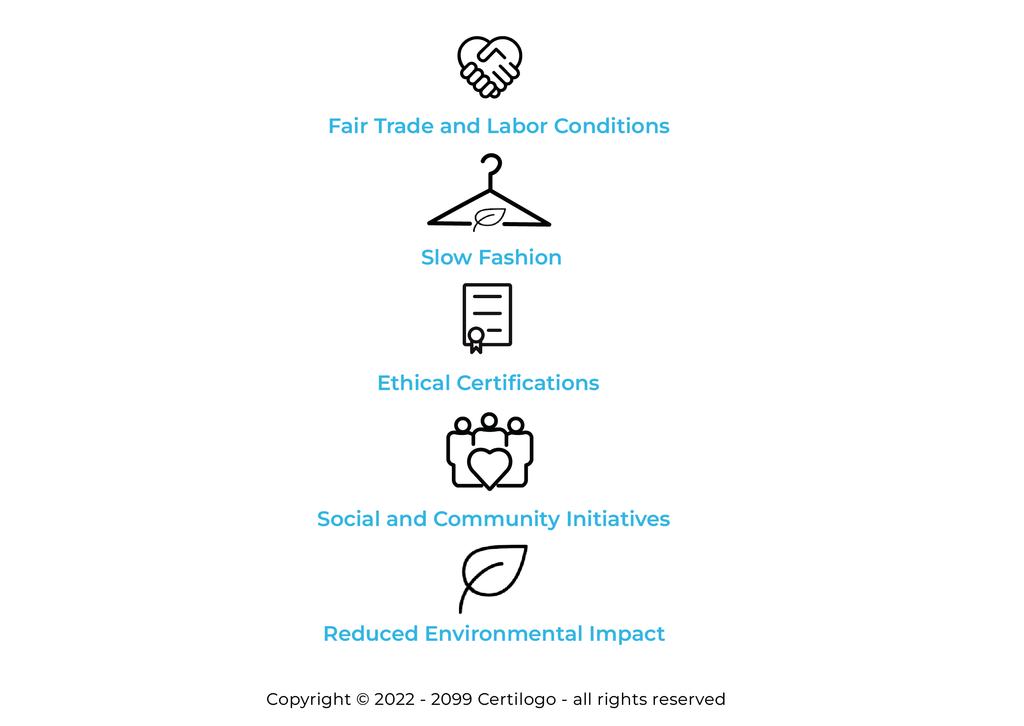
Ethical clothing encompasses various aspects, including fair wages and working conditions for garment workers, environmentally friendly production methods, and the use of sustainable materials. Brands that embrace ethical practices strive to create a positive impact on both people and the planet.
One of the key principles of ethical clothing is transparency. Ethical brands are open about their supply chains, ensuring that their garments are made under fair and safe conditions. By choosing ethically produced clothing, consumers can support companies that value transparency and accountability.
Another important aspect of ethical clothing is sustainability. This involves using eco-friendly materials such as organic cotton, bamboo, or recycled fabrics to reduce the environmental impact of the fashion industry. Sustainable practices also include reducing waste, recycling materials, and minimising water usage in production processes.
By opting for ethical clothing, consumers can make a positive difference in the world. Supporting brands that prioritise ethical practices not only promotes social responsibility but also helps to create a more sustainable future for the fashion industry.
As awareness around ethical clothing continues to grow, more brands are embracing these principles and incorporating them into their business models. The rise of ethical clothing signifies a shift towards a more conscious approach to fashion—one that values ethics as much as style.
Six Tips for Embracing Ethical and Sustainable Fashion Choices
- Choose clothing made from sustainable and eco-friendly materials, such as organic cotton or bamboo.
- Support brands that have transparent supply chains and ethical production practices.
- Buy second-hand or vintage clothing to reduce waste and support a circular economy.
- Avoid fast fashion trends and opt for timeless pieces that can be worn for years.
- Take good care of your clothes by following proper washing instructions to prolong their lifespan.
- Educate yourself about ethical fashion issues and make informed choices when purchasing clothing.
Choose clothing made from sustainable and eco-friendly materials, such as organic cotton or bamboo.
When selecting clothing, opt for garments crafted from sustainable and eco-friendly materials like organic cotton or bamboo. These choices contribute to reducing the environmental impact of the fashion industry by supporting the use of resources that are renewable and produced with minimal harm to the planet. By prioritising clothing made from such materials, you not only embrace ethical practices but also promote a more sustainable approach to fashion consumption.
Support brands that have transparent supply chains and ethical production practices.
When it comes to ethical clothing, supporting brands that have transparent supply chains and ethical production practices is crucial. By choosing to purchase from companies that value transparency and accountability in their operations, consumers can ensure that their garments are made under fair and safe conditions. This not only promotes social responsibility but also empowers individuals to make informed choices that positively impact both people and the planet.
Buy second-hand or vintage clothing to reduce waste and support a circular economy.
By choosing to buy second-hand or vintage clothing, you not only reduce waste but also support a circular economy. Embracing pre-loved garments helps to extend the lifespan of clothing items, reducing the demand for new production and ultimately decreasing the environmental impact of the fashion industry. Opting for second-hand or vintage pieces is a sustainable choice that promotes recycling and reusing, contributing to a more eco-friendly approach to fashion consumption.
Avoid fast fashion trends and opt for timeless pieces that can be worn for years.
When it comes to ethical clothing, a valuable tip is to steer clear of fast fashion trends and instead choose timeless pieces that have enduring style and versatility. By opting for wardrobe staples that transcend fleeting fads, you not only reduce the pressure to constantly update your wardrobe but also contribute to a more sustainable approach to fashion. Investing in timeless pieces that can be worn for years promotes longevity in your wardrobe, minimises waste, and aligns with the principles of ethical clothing by prioritising quality over quantity.
Take good care of your clothes by following proper washing instructions to prolong their lifespan.
Taking good care of your clothes by following proper washing instructions is a simple yet effective way to promote ethical clothing practices. By extending the lifespan of your garments through careful maintenance, you reduce the need for frequent replacements, which in turn helps to minimise waste and lessen the environmental impact of the fashion industry. By treating your clothes with care and attention, you not only preserve their quality but also contribute to a more sustainable approach to fashion consumption.
Educate yourself about ethical fashion issues and make informed choices when purchasing clothing.
When it comes to ethical clothing, a crucial tip is to educate yourself about ethical fashion issues and make informed choices when purchasing clothing. By staying informed about the social and environmental impact of the fashion industry, you can support brands that align with your values and ethics. Making conscious decisions based on knowledge empowers you to contribute positively towards a more sustainable and responsible fashion landscape.
Related Post
Elegant Ladies Trouser Suits for Stylish Wedding Attire
Ladies Trouser Suits for Weddings The Rise of Ladies Trouser Suits for Weddings Wedding fashion [...]
Discover the Top Affordable Fashion Finds: Best Cheap Clothing Stores in the UK
Best Cheap Clothing Stores The Best Cheap Clothing Stores for Fashionistas on a Budget In [...]