
Championing Sustainability: The Rise of Ethical Fashion with Sustainable Clothing Companies
The Rise of Sustainable Clothing Companies
In recent years, there has been a growing awareness of the environmental impact of the fashion industry. As a result, more and more consumers are turning to sustainable clothing companies that prioritise ethical production practices and eco-friendly materials.
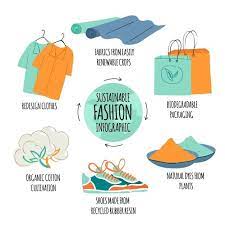
These companies are redefining the way we think about fashion by offering stylish and on-trend clothing that doesn’t harm the planet. They use organic fabrics, recycled materials, and ethical manufacturing processes to create their collections.
One of the key benefits of supporting sustainable clothing companies is knowing that your purchases are making a positive impact. By choosing to buy from these brands, you are supporting fair wages for workers, reducing waste and pollution, and promoting a more sustainable future for the fashion industry.
Many sustainable clothing companies also place a strong emphasis on transparency and accountability. They provide information about their supply chain, production methods, and environmental initiatives so that consumers can make informed choices about where they shop.
As the demand for sustainable fashion continues to grow, more and more companies are entering the market with innovative and eco-conscious solutions. From small independent labels to established brands, there is now a wide range of options available for those who want to dress sustainably without sacrificing style.
In conclusion, sustainable clothing companies are leading the way towards a more environmentally friendly fashion industry. By supporting these brands, consumers can play a part in creating a greener and more ethical future for fashion.
9 Essential Tips for Choosing Sustainable Clothing Brands in the UK
- Look for clothing companies that use organic and sustainable materials in their products.
- Support brands that have transparent supply chains and fair labour practices.
- Choose clothing made from recycled or upcycled materials to reduce waste.
- Buy from companies that prioritize ethical production processes and treat workers fairly.
- Opt for durable and high-quality clothing to reduce the need for frequent replacements.
- Consider renting or buying second-hand clothes to extend their lifecycle.
- Check if the company has certifications such as Fair Trade or GOTS (Global Organic Textile Standard).
- Avoid fast fashion brands that contribute to environmental degradation and exploitation of workers.
- Support local and independent sustainable clothing companies to reduce carbon footprint.
Look for clothing companies that use organic and sustainable materials in their products.
When shopping for sustainable clothing, it is important to look for companies that prioritise the use of organic and sustainable materials in their products. By choosing clothing made from materials such as organic cotton, bamboo, hemp, or recycled fabrics, you can reduce the environmental impact of your wardrobe. These materials are grown and produced in ways that minimise harm to the environment and promote ethical practices throughout the supply chain. Opting for clothing companies that focus on using organic and sustainable materials is a great way to support eco-friendly fashion and make a positive contribution towards a more sustainable future.
Support brands that have transparent supply chains and fair labour practices.
Supporting brands that have transparent supply chains and fair labour practices is crucial in promoting sustainability in the fashion industry. By choosing to buy from companies that openly share information about their production processes and ensure fair treatment of workers, consumers can make a positive impact. Transparent supply chains help build trust and accountability, while fair labour practices support ethical working conditions and wages for garment workers. Investing in such brands not only encourages responsible business practices but also contributes to a more sustainable and socially conscious fashion ecosystem.
Choose clothing made from recycled or upcycled materials to reduce waste.
Choosing clothing made from recycled or upcycled materials is a great way to support sustainable clothing companies and reduce waste in the fashion industry. By opting for garments that have been crafted from repurposed fabrics or materials, consumers can help minimise the environmental impact of clothing production. Not only does this practice divert materials from landfills, but it also promotes a circular economy where resources are reused and recycled, contributing to a more sustainable and eco-friendly approach to fashion.
Buy from companies that prioritize ethical production processes and treat workers fairly.
When choosing where to shop for sustainable clothing, it is important to support companies that prioritise ethical production processes and treat workers fairly. By purchasing from brands that value fair wages, safe working conditions, and respect for their employees, consumers can contribute to a more ethical and sustainable fashion industry. Supporting companies that uphold these principles not only ensures the well-being of workers but also promotes a culture of social responsibility within the fashion supply chain.
Opt for durable and high-quality clothing to reduce the need for frequent replacements.
Opting for durable and high-quality clothing is a smart choice when it comes to supporting sustainable clothing companies. By investing in well-made pieces that are built to last, you can significantly reduce the need for frequent replacements. Not only does this help minimise waste and the environmental impact of the fashion industry, but it also saves you money in the long run. Choosing durable garments means you can enjoy your clothing for longer periods, contributing to a more sustainable approach to fashion consumption.
Consider renting or buying second-hand clothes to extend their lifecycle.
When looking to support sustainable clothing companies, a valuable tip is to consider renting or buying second-hand clothes to extend their lifecycle. By opting for pre-loved items or rental services, you not only reduce the demand for new clothing production but also give existing garments a chance for a longer lifespan. This practice promotes circular fashion economy and helps in minimising textile waste, making a positive impact on the environment while still allowing you to enjoy stylish and quality clothing choices.
Check if the company has certifications such as Fair Trade or GOTS (Global Organic Textile Standard).
When considering sustainable clothing companies, it is advisable to check if the company holds certifications like Fair Trade or GOTS (Global Organic Textile Standard). These certifications indicate that the company upholds ethical labour practices, fair wages for workers, and uses organic materials in their production processes. By choosing to support companies with such certifications, consumers can be confident that they are making environmentally and socially responsible purchasing decisions.
Avoid fast fashion brands that contribute to environmental degradation and exploitation of workers.
It is crucial to steer clear of fast fashion brands that contribute to environmental degradation and exploit workers. By choosing to support sustainable clothing companies instead, we can make a positive impact on the planet and ensure fair treatment of workers in the fashion industry. Sustainable brands prioritize ethical production practices and use eco-friendly materials, offering a more responsible and conscious approach to fashion consumption.
Support local and independent sustainable clothing companies to reduce carbon footprint.
Supporting local and independent sustainable clothing companies is a great way to reduce your carbon footprint. By choosing to shop from businesses that are closer to home, you can cut down on the emissions produced during transportation and support local economies. These companies often have smaller-scale operations, allowing for more control over their supply chain and production processes, which can lead to a lower environmental impact. Additionally, by supporting local and independent businesses, you are contributing to the growth of sustainable practices within your community and promoting a more ethical and eco-friendly fashion industry.
Related Post
Championing Sustainability: The Rise of Ethical Clothing Companies
The Rise of Ethical Clothing Companies In recent years, the fashion industry has seen a [...]