
Embracing the Essence of Traditional Wear: A Celebration of Cultural Heritage
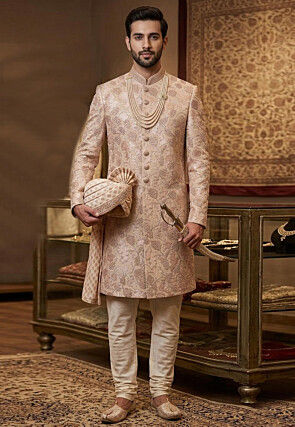
The Timeless Elegance of Traditional Wear
Traditional wear holds a special place in the hearts of many cultures around the world. These garments are not just pieces of clothing; they are symbols of heritage, identity, and history. Whether it’s a saree in India, a kimono in Japan, or a kilt in Scotland, traditional wear reflects the rich tapestry of human culture.
One of the most remarkable aspects of traditional wear is its timelessness. While fashion trends come and go, traditional attire remains constant, passed down through generations. The intricate designs, vibrant colours, and meticulous craftsmanship make these garments truly unique.
Wearing traditional clothing is not just about looking good; it’s about connecting with one’s roots and honouring traditions. It is a way to celebrate cultural diversity and express pride in one’s heritage.
Moreover, traditional wear often carries deep symbolic meanings. For example, the patterns on a Maori cloak may represent tribal affiliations, while the colours of a Chinese qipao can convey social status. Every detail has a story to tell.
Despite the changing landscape of global fashion, traditional wear continues to thrive. Designers are incorporating elements of traditional attire into modern collections, creating fusion styles that blend old and new seamlessly.
In a world where trends fade quickly, traditional wear stands as a testament to the enduring beauty of cultural heritage. It reminds us that some things are timeless and that true style transcends fleeting fashion fads.
Celebrating Tradition: The Timeless Appeal and Cultural Significance of Traditional Wear
- 1. Reflects cultural heritage and identity.
- 2. Showcases intricate craftsmanship and attention to detail.
- 3. Symbolizes traditions passed down through generations.
- 4. Connects wearers to their roots and community.
- 5. Offers a unique and timeless sense of style.
- 6. Celebrates diversity and fosters cultural pride.
- 7. Holds deep symbolic meanings in designs and colours.
- 8. Provides a link to history and historical narratives.
- 9. Inspires fusion fashion that blends tradition with modernity.
Challenges of Traditional Wear: Practicality, Versatility, Cost, and Maintenance
- Limited versatility for everyday wear
- May be uncomfortable or impractical for certain activities
- Can be expensive, especially for high-quality traditional garments
- Maintenance and care requirements may be more demanding compared to modern clothing
1. Reflects cultural heritage and identity.
Traditional wear serves as a powerful symbol of cultural heritage and identity, reflecting the rich history and traditions of a community. Each garment carries with it a unique story, passed down through generations, encapsulating the values and beliefs of a particular culture. By donning traditional attire, individuals not only honour their roots but also express a sense of pride in their heritage. The intricate designs, patterns, and colours woven into these garments serve as visual representations of a community’s identity, making traditional wear more than just clothing—it is a living connection to the past and a celebration of cultural diversity.
2. Showcases intricate craftsmanship and attention to detail.
Traditional wear showcases intricate craftsmanship and attention to detail in a way that modern fashion often does not. From handwoven fabrics to delicate embroidery, traditional garments are crafted with precision and care, highlighting the skill and artistry of the makers. Each stitch, pattern, and embellishment tells a story and reflects the cultural heritage behind the attire. The meticulous attention to detail in traditional wear not only enhances its aesthetic appeal but also serves as a tribute to the time-honoured techniques passed down through generations.
3. Symbolizes traditions passed down through generations.
Traditional wear serves as a powerful symbol of traditions that have been passed down through generations. Each garment carries with it a legacy of cultural heritage and historical significance, connecting wearers to their roots and ancestors. By donning traditional attire, individuals not only honour the customs and values of their forebears but also preserve the rich tapestry of tradition for future generations to cherish and continue. The intricate designs and craftsmanship found in traditional wear serve as a visual representation of the enduring legacy that has stood the test of time, making each piece a living testament to the stories and traditions woven into its fabric.
4. Connects wearers to their roots and community.
Traditional wear serves as a powerful link between individuals and their heritage and community. By donning garments that have been passed down through generations, wearers are able to connect with their roots, honour their cultural identity, and feel a sense of belonging to their community. Whether it’s the intricate patterns of a kente cloth from Ghana or the symbolic embroidery on a Mexican huipil, traditional wear fosters a deep connection to one’s origins and traditions, creating a shared bond with others who also embrace these cultural practices.
5. Offers a unique and timeless sense of style.
Traditional wear offers a unique and timeless sense of style that sets it apart from contemporary fashion trends. The intricate designs, rich colours, and cultural significance of traditional garments create a distinctive look that stands the test of time. By wearing traditional wear, individuals can showcase a sense of elegance and sophistication that is not bound by fleeting fashion fads. This enduring style allows for a connection to heritage and tradition while exuding a timeless charm that never goes out of fashion.
6. Celebrates diversity and fosters cultural pride.
Traditional wear celebrates diversity and fosters cultural pride by showcasing the unique customs, beliefs, and values of different communities. Each traditional garment carries with it a rich history and symbolism that reflects the heritage of a particular culture. By embracing and wearing traditional attire, individuals not only honour their roots but also promote inclusivity and appreciation for the diversity of human traditions. This celebration of cultural identity through clothing helps to strengthen bonds within communities and instil a sense of pride in one’s heritage.
7. Holds deep symbolic meanings in designs and colours.
Traditional wear holds deep symbolic meanings in its designs and colours, adding layers of significance to the garments. Each pattern, motif, and hue often carries a historical or cultural significance, making the attire more than just fabric and thread. For example, the intricate embroidery on a traditional Indian saree may symbolize prosperity or marital bliss, while the vibrant red colour of a Chinese cheongsam can represent good fortune and joy. These symbolic elements not only enhance the visual appeal of traditional wear but also serve as a means of storytelling and preserving cultural heritage for generations to come.
8. Provides a link to history and historical narratives.
Traditional wear serves as a valuable link to history and historical narratives, offering a glimpse into the cultural heritage and traditions of a community. Each garment carries stories of the past, reflecting the customs, beliefs, and societal norms prevalent during different eras. By donning traditional attire, individuals not only honour their ancestors but also preserve and pass on the rich narratives woven into every fabric and design. This connection to history through clothing helps to keep traditions alive and fosters a sense of continuity between the past, present, and future generations.
9. Inspires fusion fashion that blends tradition with modernity.
Traditional wear inspires fusion fashion that seamlessly blends the richness of tradition with the innovation of modernity. By incorporating elements of traditional attire into contemporary designs, fashion creators are able to craft unique and captivating styles that honour heritage while embracing the spirit of the present. This fusion not only breathes new life into traditional garments but also fosters a sense of cultural appreciation and connectivity in today’s diverse fashion landscape.
Limited versatility for everyday wear
One drawback of traditional wear is its limited versatility for everyday wear. While these garments are rich in cultural significance and aesthetic appeal, their elaborate designs and intricate detailing may not always be practical for daily activities. Traditional attire is often reserved for special occasions or ceremonial events, making it less suitable for casual or routine wear. This limitation can sometimes restrict the opportunities to incorporate traditional pieces into modern wardrobes, leading to a perception that these garments are reserved for specific occasions rather than being adaptable for everyday use.
May be uncomfortable or impractical for certain activities
Traditional wear, while steeped in cultural significance and beauty, may pose a challenge in terms of comfort and practicality for certain activities. The intricate designs, heavy fabrics, and elaborate layers characteristic of traditional garments can restrict movement and make them unsuitable for everyday tasks or physically demanding activities. In a fast-paced modern world where comfort and functionality often take precedence, the ornate nature of traditional wear may sometimes be a hindrance rather than an asset.
Can be expensive, especially for high-quality traditional garments
Traditional wear, while cherished for its cultural significance and timeless appeal, can pose a significant con in terms of cost, particularly when it comes to high-quality traditional garments. The intricate craftsmanship, premium materials, and attention to detail that define these pieces often result in a higher price tag. For those seeking authenticity and superior quality in their traditional attire, the expense involved can be a barrier to access. This exclusivity based on cost may limit the wider appreciation and adoption of traditional wear among individuals who are unable to afford the luxury of investing in high-end traditional garments.
Maintenance and care requirements may be more demanding compared to modern clothing
Traditional wear often comes with the con of having more demanding maintenance and care requirements when compared to modern clothing. The intricate designs, delicate fabrics, and unique embellishments of traditional garments may require special attention when it comes to cleaning, storage, and preservation. Handwashing, dry cleaning, and careful storage practices are often necessary to ensure that traditional wear retains its beauty and longevity. This extra care and effort needed for maintenance can be seen as a drawback for those accustomed to the convenience of machine-washable modern clothing.
Related Post
Discover Affordable Fashion: Cheap Korean Clothes Online
Cheap Korean Clothes Online The Charm of Cheap Korean Clothes Online Korean fashion has been [...]
Timeless Elegance: Embracing the Glamour of Great Gatsby Dresses
The Timeless Elegance of Great Gatsby Dresses Step back in time to the roaring 1920s [...]